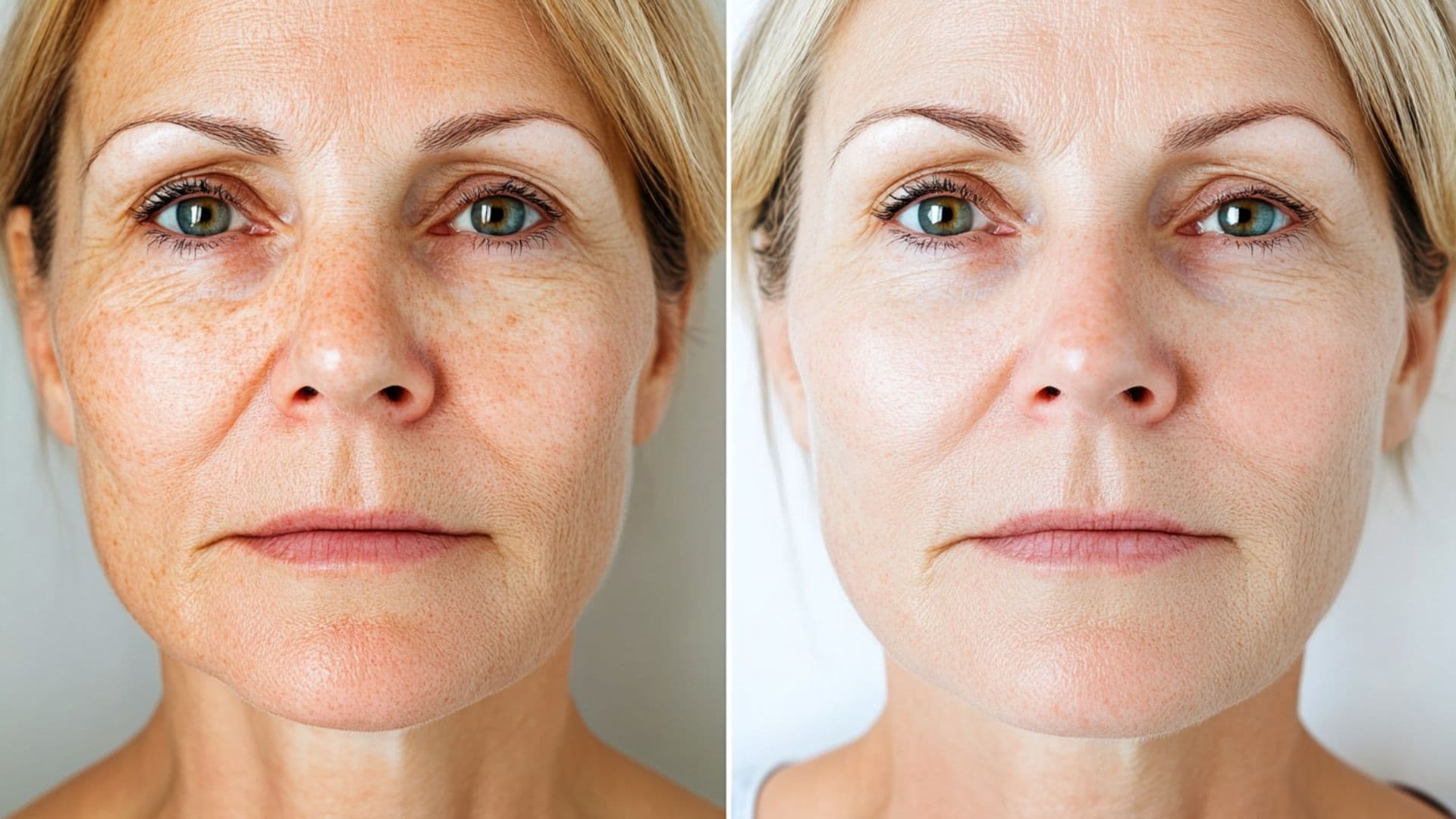

Before-and-after galleries are powerful marketing tools for medical practices. They build patient trust, drive conversions, and improve local search visibility. But creating these galleries isn’t just about showing great results. You need strong SEO, legal compliance, and proper consent procedures.
Many clinics face serious risks, including HIPAA violations, poor image quality, poor optimization, and missing metadata. These mistakes can cost you patients, revenue, and even legal trouble. This guide gives you a complete, practical roadmap for creating safer, more profitable gallery pages that protect your practice while attracting more patients.
Why Medical Before-and-After Galleries Need SEO + Legal Compliance
Your before-and-after photos and medical galleries serve two critical purposes. First, they must rank well in search engines to attract potential patients. Second, they must protect patient privacy and meet strict healthcare regulations.
On the SEO side, optimized galleries drive organic traffic to your website. When patients search for “rhinoplasty before and after” or “Botox results,” your gallery can appear in image search and on your procedure pages. This visibility translates directly into consultation bookings. Well-optimized galleries also improve page experience metrics, which Google uses for rankings.
On the compliance side, you’re dealing with protected health information. Every image you publish must have documented consent. You must remove identifying features and metadata. One mistake can trigger a HIPAA complaint, damage your reputation, and result in serious fines.
The benefits of getting both right are substantial:
- Increased website traffic from patients actively searching for procedures
- Higher conversion rates because visitors see real results from your practice
- Stronger patient trust when they view authentic outcomes
- Full compliance with medical regulations, avoiding costly legal issues
Smart clinics understand that SEO for medical photo galleries and legal protection work together, not against each other.
SEO Essentials for High-Performing Before-and-After Galleries

Strong before-and-after gallery SEO starts with technical optimization. Your images must load quickly without sacrificing quality. Compress files to under 200KB when possible. Use modern formats like WebP for better compression and faster loading.
Every image needs descriptive alt text that includes the procedure name and angle. Instead of “IMG_1234.jpg,” use filenames like “facelift-before-front-view.jpg.” It helps search engines understand your content.
Key optimization elements include:
- Page speed optimization with image compression and lazy loading
- Mobile-responsive design that works perfectly on smartphones
- Structured data markup for medical procedures to enable rich results
- Internal linking from procedure pages to relevant gallery sections
- Unique content around each gallery to prevent thin content issues
Target keywords like ‘medical marketing’ before-and-after images naturally throughout your gallery descriptions.
Legal Must-Haves: Consent, Privacy, and HIPAA-Safe Image Publishing
Publishing patient privacy and marketing images requires strict legal protocols. You must obtain explicit written consent before using any patient photo. Verbal permission is never enough. Your consent form must specify exactly how you’ll use the images: on a website, on social media, in print materials, or in advertising.
Protected health information (PHI) includes any details that could identify a patient. This means more than just names. Unique facial features, tattoos, birthmarks, and background elements can all reveal identity. You must carefully review every image before publishing.
Anonymization is critical for HIPAA-compliant before-and-after galleries. Crop images to remove identifying features when necessary. Blur backgrounds that show location details or other patients. Remove all EXIF metadata that contains timestamps, GPS coordinates, or device information.
Secure storage protects patient data throughout its lifecycle. Store consent forms and original images in encrypted systems. Limit access to authorized staff only. Train every team member who handles patient photos on proper procedures.
Patient Photo Consent: Creating a Clear, Compliant Process That Protects Your Clinic
Building a solid patient photo consent healthcare workflow protects both you and your patients. Your consent process should start before any photos are taken. Develop a comprehensive written form that covers all possible uses of the images.
Your consent form must include:
- Specific usage permissions (website, Instagram, Facebook, print materials, paid ads)
- Permission for minor edits like cropping or color correction
- Clear expiration dates if consent doesn’t last indefinitely
- Revocation rights explaining how patients can withdraw consent
- Documentation of acknowledgment with patient signature and date
Thoroughly train your staff on consent procedures. Reception staff, nurses, and photographers must all understand the process. Create a checklist for every patient photo session that they follow. This consistency prevents mistakes and gaps in documentation.
The risks of inadequate consent are serious. Without proper documentation, you have no legal right to use patient images. Patients who discover their photos online without permission may take legal action. State medical boards can investigate complaints and impose penalties.
SEO Rank Health helps medical practices establish bulletproof consent workflows that satisfy legal requirements while streamlining your marketing operations.
SEO Optimization for Before-and-After Photos: From Filenames to Schema Markup
Technical before-and-after gallery SEO requires attention to multiple elements. Start with file naming. Every image filename should describe the content: “liposuction-before-abdomen-front.jpg” or “dental-veneers-after-smile.jpg.” This simple step helps search engines index your images correctly.
Alt text serves two purposes: accessibility and SEO. Write descriptive alt text that includes the procedure, angle, and timing. For example: “Rhinoplasty results after 6 months, front view showing refined nasal bridge.” Keep alt text under 125 characters while packing in relevant information.
Gallery layout affects crawlability. Use clean HTML markup rather than JavaScript-heavy sliders that search engines struggle to read. Organize images logically by procedure type. Create separate gallery pages for major procedures rather than one massive gallery.
Avoid thin content by adding substantial text to gallery pages. Write detailed descriptions of each procedure shown. Explain what patients can expect, typical results, and factors that influence outcomes.
Integrate galleries into procedure pages strategically. Don’t hide your best results on a separate gallery page that few people find. Embed relevant before-and-after photos medical directly into procedure pages where patients are learning about treatments.
Avoiding HIPAA Mistakes in Medical Before-and-After Galleries
Creating HIPAA-compliant before-and-after galleries requires vigilance at every step. Metadata poses a hidden risk that many practices overlook. EXIF data embedded in photos can reveal patient identity through timestamps, GPS coordinates, or device information. Strip all metadata before uploading images to your website.
Identifying features extend beyond obvious elements like faces. Unique tattoos, birthmarks, jewelry, or distinctive backgrounds can reveal identity. Carefully review every image for these details. Crop or blur identifying elements while preserving the clinical result you want to showcase.
Staff consistency prevents compliance gaps. Everyone who handles patient photos must follow identical standards. Create written protocols for photography, editing, consent verification, and publishing. Use this compliance checklist before publishing any image:
Photography Stage:
- Obtain a signed consent form before taking photos
- Use neutral, non-identifying backgrounds
- Document shooting date and consent status
Editing Stage:
- Strip all EXIF metadata from files
- Crop or blur identifying features
- Remove visible tattoos, birthmarks, or jewelry if necessary
- Review the background for identifying details
Publishing Stage:
- Verify current consent is on file
- Use descriptive filenames without patient names
- Apply proper alt text for SEO
- Store original files securely with limited access
Ongoing Maintenance:
- Monitor consent expiration dates
- Process revocation requests within 48 hours
- Audit published images quarterly
SEO Rank Health provides comprehensive audits that identify compliance risks in your existing galleries and implement systems to prevent future violations. Your before-and-after galleries represent a significant investment and opportunity. They showcase your expertise, attract new patients, and drive practice growth. But only when you balance strong SEO for medical photo galleries with strict legal compliance. The practices that succeed understand this dual requirement. They invest in proper consent workflows, technical optimization, and ongoing compliance monitoring. With the right systems in place, you can create galleries that rank well, convert visitors, and fully protect patient privacy.

Written by
Oleg Silin
Head of SEO & Content
Agency co-founder who leads SEO and content for 20+ clients and 30+ websites, specializing in recovering traffic lost to Google algorithm updates.